


The visual hook of an online slot game matters. It’s often the first thing that captures a player’s attention and the element that can keep them looking at the screen. slot fishin frenzy cashout, a enduring hit, provides a great example for analyzing how slot design impacts player comfort and eye strain. This article isn’t about the game’s volatility or bonus rounds. Instead, it’s a close look at the visual and sound elements of Fishin Frenzy as a extended visual session. We want to see if this favorite slot creates a pleasant, low-strain setting or if it inadvertently promotes the kind of visual fatigue that concerns eye care professionals. This is especially relevant when we talk about responsible play practices.
Comprehending Visual Ergonomics in Slot Design
We should explain what we mean by visual ergonomics in slots ahead of reviewing Fishin Frenzy specifically. The term reaches beyond than mere good looks. It encompasses how a game’s graphics work with human vision and brainpower over prolonged periods. Crucial points encompass the contrast between symbols and background, the use of flashing or strobing lights, how intricate the animations are, and the general balance of colors. A slot designed with this in mind tries to minimize unnecessary eye strain. This lets players zero in on the game without getting tired too quickly. On the other hand, a badly designed game can lead to real discomfort. This is occasionally called digital eye strain, and it generates symptoms like dry eyes, blurry vision, and headaches. We see this as a critical part of reviewing a game. Player comfort directly affects how much time someone plays and how much they like it.
The Main Visual Palette of Fishin Frenzy
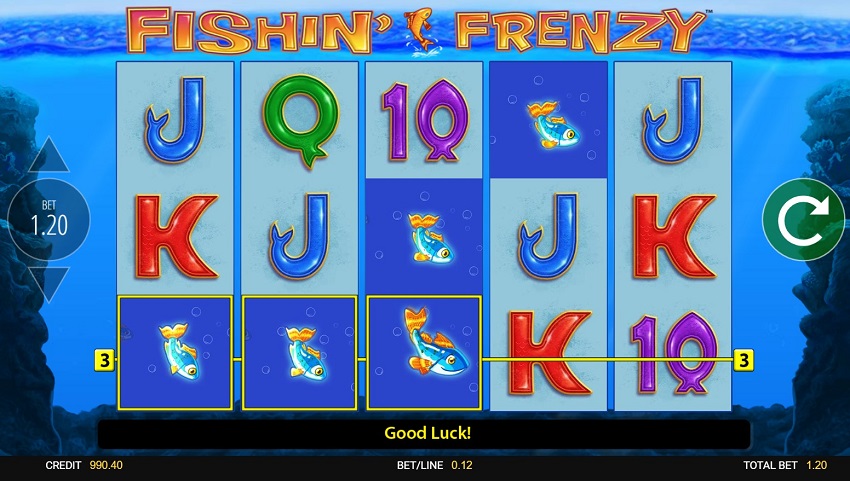
Fishin Frenzy uses a color combination built around blues and greens, matching its underwater setting. This selection is smart from an ergonomic standpoint. Blues and greens are usually seen as restful colors. They are in the middle of the light spectrum, which might mean they lead to less focal strain than very bright reds or deep purples. The background is a dark, deep blue. This creates strong contrast for the brighter reels and symbols without being a harsh, glaring white. The symbols—different fish, buoys, and tackle boxes—use distinct colors and shapes. You can distinguish them quickly without needing to peer closely. The game doesn’t put overly detailed artwork on its standard symbols, which prevents the screen from looking messy. This basic palette indicates a deliberate move toward a relaxed visual field. It’s a good start for our analysis focused on eye care.
Symbol Definition and Recognition Speed
Looking closer at the symbols, we observe skillful use of bold outlines and vivid colors against the lighter blue of the reels. You can identify a fish symbol from a buoy instantly. It’s not about tiny details, but clear, simple shapes. This quick recognition is essential. It reduces the mental effort and the minuscule, rapid eye movements needed to spot a winning combination. Your brain processes the information smoothly, requiring less work from your eyes. Compare this to slots with highly detailed, themed symbols that all seem to blend together. Fishin Frenzy’s method is functionally minimal. This design approach naturally supports visual comfort. It guarantees the main job—seeing your wins—isn’t a test of eyesight. Players can grasp what’s happening on screen without having to hold their gaze tightly.
Motion graphics and Visual Flashes: A Double-Edged Hook
This is where many slots, Fishin Frenzy included, heighten excitement but also heighten the risk of strain. The game has two main types of animation. First, there’s the gentle swimming motion of fish symbols when they are part of a win. Second, you have the more noticeable splash effects and the spinning reels themselves. The winning fish animations are smooth and slow. They don’t have the rapid flicker or jarring cuts you might see in some high-energy video slots. But the basic reel spin is a fast blur of colors. This is standard for slots, and while it’s brief, it involves high-speed motion. A crucial point is that the game doesn’t use constant, screen-filling strobe effects or rapid, random flashing during normal play. The most intense visual show happens when the Free Spins bonus starts, but that’s a one-off event, not a constant state. We have to weigh these occasional energetic bursts against the generally calm base game.
Frequency and Intensity of Visual Stimuli
Examining frequency, the base game of Fishin Frenzy is visually quiet. You can have long stretches where the only motion is the repetitive reel spin. That spin is fast, but it’s also predictable and rhythmic. The main visual events are tied directly to wins. This creates a clear link between cause and effect that doesn’t randomly bombard your senses. The intensity of these win animations is moderate. They feel celebratory without being overwhelming. This controlled approach to when animations happen helps prevent sensory overload. It sets up a visual rhythm. Your eyes aren’t constantly forced to follow erratic movements or adjust to sudden, huge changes in screen brightness. That’s a major factor in staying comfortable during longer playing sessions.
Soundscape and Its Visual Connection
Noise isn’t our main focus, but we are unable to ignore it. What you hear deeply affects your overall perceptual load. Fishin Frenzy’s soundscape combines calming ambient ocean noises—gentle waves, distant gull calls—with more upbeat music and sound effects for wins. A key detail is that the audio cues align perfectly with the visual events. A specific sound follows a win, reinforcing what you see without clashing with it. This multisensory agreement minimizes cognitive dissonance. Your brain can handle the game state more smoothly. A disjointed experience, where sound and visuals conflict each other, would demand extra mental processing. That extra work adds to overall fatigue indirectly. The generally relaxed background audio of the base game also supports a less tense visual focus. It keeps your auditory system from overstimulating you, which can have a knock-on effect on how well you zero in visually.
Display Structure and Information Hierarchy
A crowded layout causes your eyes to operate much harder, searching and searching for what you need. Fishin Frenzy’s layout is remarkably tidy and airy. The five reels are placed right in the center of your focus. Subtle control panels for wagering and playing are tucked neatly at the bottom. Key information—your balance, total bet, and latest win—is displayed in clear, high-contrast digital fonts on dark backgrounds at the edges of the screen. You will not encounter extra information or flashing ad banners cluttering the main game area. This clear visual hierarchy steers your gaze instinctively. You look from the reels, where the action is, to the information displays without any distracting competition for your attention. This organized layout cuts down on unnecessary eye movement and scanning. It enables for a more steady and calm focal point, a basic principle for reducing visual fatigue in any screen-based task.
Readability and Typeface Selection
The font in Fishin Frenzy fulfills a bigger role in its ergonomic profile than you might think. All the operational labels, from button labels to numbers, uses sans-serif fonts. Sans-serif typefaces are typically easier to read on screens. They are missing the small projecting features, called serifs, that can blur at smaller sizes or lower resolutions. The numbers showing your credits and bet are especially bold and large. You don’t need to squint to read them. This focus on readability spares players from suffering the minor but cumulative strain of trying to interpret fancy or poorly rendered text. In an industry where some games select stylized fonts that fit a theme over clear communication, Fishin Frenzy’s practical choice underscores a user-friendly design philosophy. It matches up with comfortable viewing habits.
Play Duration and the Integrated Visual Breaks
Handling continuous screen time is a key part of digital eye care. Slot mechanics themselves influence this. Fishin Frenzy, with its medium volatility and simple gameplay, can be simple to play for a while because it’s so approachable. But the game itself includes inherent, if brief, visual pauses. The moment between spins, however short, is a point of relative stillness. Collecting a win, triggering the bonus round—these are all micro-breaks from the rapid motion of the spinning reels. Unlike some slots where an auto-spin feature creates a relentless, uninterrupted visual stream, manual play (or auto-spin with stops on wins) introduces these rhythmic interruptions. We suggest these built-in moments, even if not intended for eye care, act as inadvertent resets for your eye muscles. They offer a short break from the constant tracking needed during the spin animation itself.
The Auto-Spin Feature and Stationary Viewing
Employing the autoplay feature changes the experience from active to more passive viewing. This alters the visual dynamic. Without the physical act of clicking spin, a player might slip into a fixed stare. That can reduce how often you blink, which is a primary cause of screen-induced dry eye. The game’s visual events keep going, but the player’s engagement becomes more like watching a show. This passive state has two sides. It might lessen cognitive load, but it could also heighten the chance of a static, unblinking gaze. So, while autoplay is a useful tool, from an eye care angle it demands more personal discipline. The player needs to recall to blink consciously and look away now and then, because the game’s own interaction prompts are reduced.
Comparative Analysis with High-Energy Slot Themes
Let’s put Fishin Frenzy in context by measuring it briefly to high-intensity video slots. These often have themes like old empires, fantasy battles, or complex stories. Those games usually employ a much wider, more vibrant color spectrum. They have dense graphical backgrounds filled with animated details. They boast frequent, elaborate bonus animations that can take over the whole screen with rapid sequences. The visual information load is far higher. In those environments, your eyes must constantly handle complex scenes, monitor multiple moving parts, and adapt to dramatic swings in color and light. Next to that, Fishin Frenzy is a study in visual restraint. Its consistent aquatic theme, limited color palette, and predictable animation patterns present a much lower sensory burden. That makes it a noticeably less visually demanding title. From the perspective of prolonged exposure, this counts as a point for player comfort.
Useful Eye Care Tips for Slot Players
However a game is designed, responsible visual habits are essential. We suggest the 20-20-20 rule. Every 20 minutes, focus on something at least 20 feet away for a full 20 seconds. This basic habit aids reset your eyes’ accommodation mechanism. Guaranteeing the room lighting is proper is also vital. Playing in a dark room compels your eyes to handle extreme contrast between the bright screen and the dark surroundings. Setting your screen’s brightness to match the room light can cut glare and tension. Additionally, make a conscious effort to blink often. This stops your cornea from drying out. While Fishin Frenzy’s design might be less aggressive, these methods are common safeguards. Creating session time limits with a timer does two things. It supports responsible gambling, and it compels you to take the breaks your eyes must have to rest. It incorporates eye care right into your gameplay routine.
Synthesis: Is Fishin Frenzy a Očima Considerate Game?
After a detailed review, we find that the Fishin Frenzy Slot demonstrates a fair amount of visual consideration by today’s standards. Its design choices coordinate. The calming color palette, the sharp symbols, the clean layout, and the steady animation schedule all add to a easy visual environment. The game steers clear of the worst offenders in visual ergonomics. You will not encounter persistent strobing or chaotic, screen-filling effects during regular play. It lets your eyes maintain a fairly steady focal point with minimal disruptive scanning. Of course, no screen activity is completely free from the risk of eye fatigue, especially during marathon sessions. But Fishin Frenzy’s visual and functional design doesn’t make these risks on purpose. It acts as an example of how traditional, straightforward slot design can correspond with principles of visual comfort. That helps explain its lasting popularity. It’s not just about the gameplay; it’s about the human factors too.